Watercolor Christmas Coffee Clipart Embroidery Review
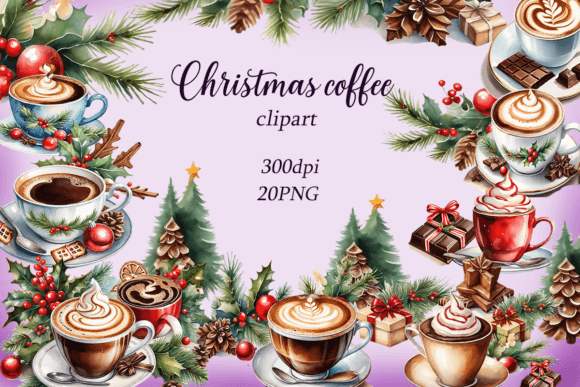
As a designer who has spent years turning digital files into tangible, stitched treasures, I know that the success of an embroidery project often hinges on the initial choice of artwork. You might have the best machine in the world and the finest threads, but if the source image doesn't translate well to thread, the final result can look muddy or lose its charm entirely. Today, I am evaluating the Watercolor Christmas Coffee Clipart to see if it truly holds up when moving from a screen to a needle. This review is not just about how pretty it looks as a static image; it is about whether it functions as a viable machine embroidery design for real-world applications.
The First Impression: Mood and Visual Personality
When you first open the file for the Watercolor Christmas Coffee Clipart, the immediate feeling is one of cozy warmth. The watercolor aesthetic brings a softness that flat vector graphics often lack, creating a mood that feels inviting and festive without being overwhelming. For an Illustrations category piece, this design succeeds because it captures the essence of a quiet holiday morning. The shapes are organic, mimicking the fluid nature of paint, which suggests a design that relies heavily on texture and color blending rather than rigid geometric lines.
In terms of layout, the composition feels balanced and natural. It does not scream for attention like some bold, graphic designs; instead, it invites the viewer to lean in closer. This visual personality makes it an excellent candidate for products where subtlety and elegance are key. However, as a professional reviewer, I must ask: does this digital art retain its soul when converted into stitches? The answer depends largely on how the artist translates those delicate watercolor edges into stitch types.
Real-World Application: From Screen to Stitch
To truly understand the potential of the Watercolor Christmas Coffee Clipart, let's imagine a specific scenario. You are preparing inventory for the upcoming holiday season for your boutique shop. You need a custom embroidered tote bag to sell at a local craft fair. You want something that screams "holiday spirit" but also appeals to the coffee lovers in your community. You decide to use this clipart design.
On a sturdy canvas tote, the design could shine. The soft, blended colors of the watercolor style would mimic the way light hits the fabric, creating a gentle contrast against the material. If executed with care, the finished product would feel artisanal and high-end. Customers browsing the table would likely appreciate the nuance, seeing it as a unique personalized gift rather than mass-produced merchandise. The design fits perfectly with the narrative of handmade goods, adding value to the item through its artistic interpretation.
Similarly, consider using this design on a sweatshirt or a baby onesie. The watercolor theme is forgiving on softer fabrics, and the coffee motif is universally appealing. For a sweatshirt embroidery project, the design would serve as a great focal point on the chest or back. For baby embroidery, the gentle colors and familiar subject matter create a sense of comfort and joy. In both cases, the Watercolor Christmas Coffee Clipart elevates the perceived quality of the garment, making it a desirable addition to any wardrobe.
Where Caution is Required
However, no design is perfect for every situation, and knowing where to apply caution is what separates a novice from a pro. The Watercolor Christmas Coffee Clipart has specific limitations that must be respected during the digitizing or stitching process. One major concern is the size of the design relative to the hoop. If you attempt to stitch this on a small hoop size, the delicate details of the watercolor washes might get lost or appear cluttered. Small details in a watercolor style require enough space to breathe; otherwise, the stitch density can become too high, leading to puckering or a loss of definition.
Fabric choice is another critical factor. Textured fabrics, such as heavy denim or chunky knits, can obscure the subtle gradients intended by the watercolor effect. Thin or stretchy fabrics present their own challenges; without proper stabilizer usage, the tension required to hold the design together might distort the soft edges of the artwork. Furthermore, dark fabrics can be tricky. While they offer a strong contrast, the lighter watercolor tones might struggle to show up unless you use a significant underlay or specific thread colors that brighten the image.
Curved surfaces, like caps or hats, add another layer of complexity. The organic shapes of the watercolor style might not follow the curve of a cap seamlessly, potentially causing the image to look stretched or misaligned. Additionally, if the design includes tiny lettering or intricate corners, these areas are prone to thread breaks or missed stitches, especially if the machine is running at high speeds. For products that need frequent washing, such as aprons or kitchen towels, ensure the design is robust enough to withstand friction without fading or fraying.
Visual Appeal and Customer Trust
The impact of a well-executed design extends beyond aesthetics; it influences customer trust and brand consistency. When a client receives a finished product featuring the Watercolor Christmas Coffee Clipart, they are buying into the story behind the image. A clean, clear execution signals professionalism and attention to detail. If the stitching is precise and the colors are vibrant, the buyer perceives the item as a premium handmade product. Conversely, a sloppy execution can undermine the entire effort, making a high-quality item look cheap.
For Etsy sellers and small business owners, this design offers a unique selling proposition. In a marketplace flooded with generic holiday icons, a watercolor-inspired piece stands out. It allows you to create a cohesive brand identity across various items, from apparel decorators to kitchen towel collections. The design acts as a visual anchor, helping customers recognize your work immediately. It enhances the giftability of your items, as the thoughtful, artistic nature of the clipart resonates with people looking for meaningful presents.
Practical Designer Notes for Success
Before committing to a full production run, there are several steps every designer should take. First and foremost, test the design on scrap fabric. This simple step reveals issues with thread color contrast, stitch density, and overall stability before you risk ruining a final product. Check the hoop size requirements carefully; ensure your design fits within the constraints of your machine and the intended garment.
Review the stitch types closely. Does the design rely too heavily on satin stitch for large areas, which can lead to bird nesting? Are the fill stitches dense enough to cover the fabric but not so dense that they cause stiffness? Inspect small details to ensure they will stitch cleanly. It is also wise to test the design in black and white mockups to verify that the value contrast remains strong even without color.
Compare how the design performs on both light and dark backgrounds. Use the proper stabilizer for the specific fabric type to prevent distortion. Finally, confirm whether the license allows for commercial use if you plan to sell the finished items or the digital embroidery file itself. Do not assume; always read the terms. If you are unsure about the exact stitch count or file formats, check the product documentation before starting.
Final Thoughts on the Design Assets
The Watercolor Christmas Coffee Clipart is a versatile and charming asset for any creative entrepreneur. Its ability to convey warmth and festivity makes it a strong contender for holiday embroidery projects. Whether you are creating an embroidered patch, a tote bag design, or a set of pillow covers, this design has the potential to elevate your collection. By understanding its strengths and respecting its limitations, you can transform this digital illustration into a stunning finished product that delights customers and strengthens your brand. Remember, the magic lies not just in the image, but in the skillful application of your craft.