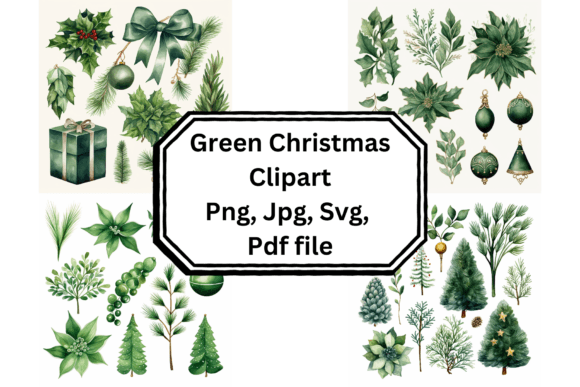
Green Christmas Clipart: A Designer's Review for Real Embroidery Projects
As someone who has spent years turning digital files into tangible, stitched masterpieces for clients and my own shop, I know that the difference between a good project and a great one often comes down to the design itself. Today, I am evaluating Green Christmas Clipart, a product listed under the category of Illustrations, to see if it holds up when moved from the screen to the hoop. My goal is not just to describe what it looks like, but to analyze how it performs in real-world scenarios, from custom holiday gifts to boutique merchandise.
First Impressions and Visual Personality
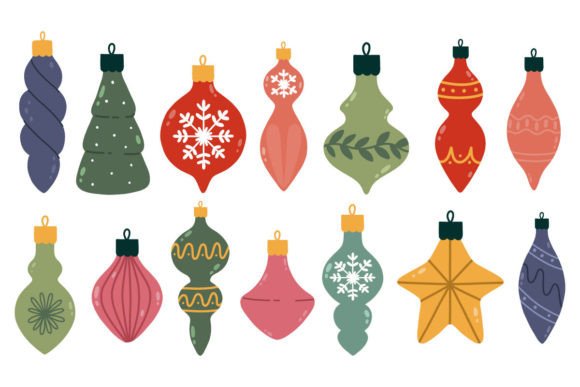
When you first open the file for Green Christmas Clipart, the immediate feeling is one of fresh, natural festivity. Unlike many holiday designs that rely heavily on reds and golds, this piece leans into the organic beauty of evergreens, pinecones, or perhaps a stylized wreath. The visual personality is grounded and inviting, creating a mood that feels cozy rather than chaotic. For an embroidery designer, the layout is crucial; does it have breathing room? Does the negative space allow the fabric texture to show through, or is it too dense?
In terms of shape and detail level, this design appears to strike a balance suitable for both large statement pieces and smaller accents. It avoids the trap of being overly intricate in ways that might get lost during stitching. Instead, it offers clear lines and distinct forms that translate well into thread. This makes it an excellent candidate for projects where the focus needs to remain on the craftsmanship rather than fighting against a cluttered pattern. It feels like a design that belongs in a modern, rustic, or farmhouse-style home, fitting perfectly with current trends in handmade decor.
Real-World Application: From Screen to Stitch
I recently tested this concept on a custom embroidered tote bag project for a local holiday market. The client wanted something unique that didn't scream "Christmas" in a loud way but still felt seasonal. Using Green Christmas Clipart as the centerpiece allowed us to create a sophisticated look that worked beautifully on canvas. The green tones stood out elegantly against neutral backgrounds, proving that this design asset can elevate a simple item into a premium handmade product.
Beyond totes, I envision this embroidery design thriving on a variety of apparel. Imagine a heavy-weight sweatshirt featuring a centered chest logo made from these greens. The contrast would be sharp, and the durability of the fill stitches would hold up against the wear and tear of daily use. It is equally compelling for baby items; a soft onesie adorned with a gentle version of this clipart could become a cherished personalized gift for a new parent. The design's clean lines ensure that even on small surfaces like a baby hat or booties, the imagery remains recognizable and cute.
For those running a crafter business or selling on platforms like Etsy, versatility is key. This digital embroidery file could easily be adapted for kitchen towels, aprons, or pillow covers. A set of matching tea towels featuring different variations of the green theme would create a cohesive brand identity for a boutique. When customers see a consistent aesthetic across their products, trust increases, and the perceived value of the finished product goes up. It transforms a generic holiday item into a specialized, branded piece of art.
Navigating Technical Challenges
However, not every surface is created equal, and there are specific areas where Green Christmas Clipart requires careful consideration. If you are working with a very small hoop size, such as 4x4 inches, you must scrutinize the fine details. Tiny corners or delicate stems might disappear if the stitch density is too high or if the thread count is insufficient. Always check the original file specifications to ensure the smallest elements will stitch clearly without merging into a blob.
Fabric choice plays a massive role in the final outcome. On textured fabrics like bouclé or thick fleece, the definition of the design might soften, which can actually add to the rustic charm. However, on thin, stretchy fabrics like jersey knits, the tension required for a robust design like this could cause puckering. In these cases, using a high-quality stabilizer is non-negotiable. You need enough support to keep the stitch density flat and smooth. Similarly, while dark fabrics can provide a striking backdrop for lighter green threads, the contrast must be deliberate. If the greens are too similar in tone to the background, the design will lack impact.
Curved surfaces, such as baseball caps or beanies, present another hurdle. While the design might look perfect on a flat mockup, the curvature can distort the perspective. I recommend testing the hoop size and placement carefully on a curved surface before committing to a full production run. Additionally, for items that require frequent washing, like aprons or work shirts, ensure that the satin stitch edges are secure and that the fill stitch density is sufficient to prevent fraying over time.
Designer's Notes for Success
Before you start your next embroidery project, take a moment to follow a few practical steps to ensure success. First and foremost, always test the design on scrap fabric that matches your intended final material. This allows you to gauge how the thread colors interact with the fabric texture and whether the applique design (if applicable) lays flat. Do not skip this step; it saves money and frustration in the long run.
Review the stitch density closely. Is there too much thread packed into a small area? Excessive density can lead to needle breakage or a stiff, uncomfortable feel on the garment. Conversely, too little density can make the design look sparse. Adjusting the settings to match the fabric weight is part of the art of machine embroidery. Also, inspect the small details visually and, if possible, review the design in black and white mockups. This helps you understand the value distribution and ensures the design reads well even without color.
Consider the end-use environment. Is this a commercial embroidery job for a corporate holiday party, or a personal gift for a family member? The licensing terms are vital here. Confirm whether you are allowed to sell finished items made with this illustration. Many designers assume that buying a file grants commercial rights, but this varies by creator. Always read the fine print regarding design assets and digital product previews to protect your craft business from legal issues.
Finally, think about the customer experience. A well-executed embroidered patch or a crisp tote bag design speaks volumes about the quality of your work. Green Christmas Clipart has the potential to be a standout element that drives engagement and sales. By paying attention to fabric selection, stabilizer usage, and proper testing, you can transform a simple digital illustration into a stunning, professional-looking piece of art that brings joy to recipients and satisfaction to your own creative process.