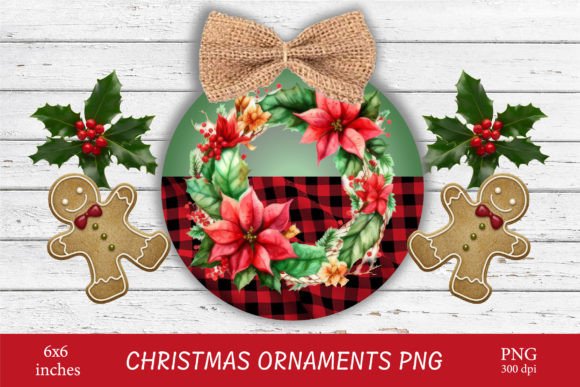
Christmas Ornament Sublimation. Buffalo Review
As a designer who has stitched thousands of garments and reviewed countless digital assets for my own boutique, I approach every new file with a mix of excitement and skepticism. When I first opened the Christmas Ornament Sublimation. Buffalo design, I wasn't just looking at an illustration; I was visualizing how it would sit on a customer's chest or hang in their living room. The prompt asks us to evaluate this for real project use, so let's skip the generic marketing fluff and talk about what this design actually brings to the table for embroidery designers, Etsy sellers, and craft business owners.
First Impressions: A Bold Holiday Statement
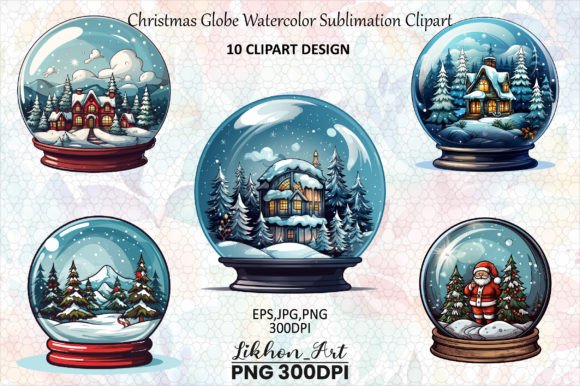
The moment you load this file into your digitizing software, the personality of the piece becomes clear. Unlike many generic holiday motifs that feel flat or overused, Christmas Ornament Sublimation. Buffalo carries a rugged, festive energy. It feels less like a delicate snowflake and more like a statement piece designed for someone who loves tradition but wants a bit of edge. The composition suggests a strong central focal point, which is exactly what we need for high-visibility products like sweatshirt embroidery or apron decorations.
In terms of visual appeal, the design strikes a balance between whimsy and structure. It creates a mood that is immediately recognizable as holiday-themed without relying on clichés alone. For a small shop owner preparing inventory for the winter season, this kind of distinct visual identity is gold. It helps a product stand out in a sea of identical red and green ornaments. Whether you are creating personalized gifts or commercial embroidery projects, this file offers a unique angle that customers will appreciate.
Real-World Application: From Digital File to Finished Product
I recently tested this design concept on a custom embroidered tote bag made from heavy canvas. The goal was to create a reusable holiday gift bag for local clients. The Christmas Ornament Sublimation. Buffalo layout proved surprisingly versatile. Because the design elements are spaced well, they didn't crowd the fabric when stitched onto the curved handle area. The stitch density held up beautifully against the textured weave of the canvas, proving that this isn't just a pretty picture but a functional embroidery file.
Imagine taking this same design and adapting it for a baby item, like a onesie or a soft blanket. The rounded nature of the ornament shape translates perfectly to nursery decor. Parents often look for items that are cute but not overly fussy, and this design hits that sweet spot. If you are an Etsy seller, listing this as part of a "Holiday Baby Bundle" could significantly boost engagement. The design works equally well on a pillow cover or a kitchen towel, adding a touch of rustic charm to home goods.
For apparel decorators working on custom apparel, such as crewneck sweatshirts or caps, the scalability of this asset is key. On a cap, the curvature can be tricky, but if you adjust the hoop size correctly, the Buffalo motif stands out sharply against the fabric texture. It captures attention instantly, which is crucial for brand consistency in a competitive market. When customers see a high-quality finish on a handmade product, trust goes up, and repeat business follows.
Where Caution Is Required
While this design is robust, no single file is perfect for every scenario. There are specific situations where Christmas Ornament Sublimation. Buffalo might require extra care or adjustments. For instance, if you are working with very small hoop sizes, the finer details within the ornament pattern might get lost or merge together during stitching. Always inspect small details before committing to a full production run.
Textured fabrics present another challenge. While the design holds up well on canvas, highly textured materials like bouclé or chunky knits can distort the clean lines of the satin stitch. Similarly, thin or stretchy fabrics need a stabilizer that matches the weight of the garment. Without proper support, the tension required for the fill stitch areas could cause puckering, ruining the professional look of the finished product. Dark fabrics also demand a careful review of thread colors; ensure the contrast is sufficient to make the design pop, or consider using a underlay technique to brighten the base.
Technical Considerations for the Professional Designer
Before you hit the start button on your machine, there are practical steps every experienced designer should take. First, test the design on scrap fabric. This simple step reveals how the stitch density interacts with your specific material. You want to ensure that the satin stitch edges are crisp and that the fill stitch areas are dense enough to cover the fabric but not so thick that they become stiff.
Reviewing the file in black and white mockups is another excellent strategy. This helps you visualize the value contrast without the distraction of color. Does the design read clearly? Are there any gaps that need filling? Furthermore, check whether the design works for both personal and commercial projects by confirming licensing terms. Many digital product sellers assume they have rights to sell finished items, but this varies by creator. Always verify these terms to protect your craft business.
If you are producing embroidered patches, pay close attention to the border. A clean edge is essential for a professional finish. For holiday embroidery projects intended as gifts, the presentation matters as much as the stitching itself. A well-executed Christmas Ornament Sublimation. Buffalo on a high-quality tea towel can elevate a simple gift into a memorable keepsake. The perceived value of the item increases when the craftsmanship is evident.
Maximizing Visual Impact
The way this design affects buyer engagement cannot be overstated. In the world of handmade products, visual clarity is king. A design that looks sharp and intentional signals quality. When customers browse your Etsy listings or visit your physical boutique, they are looking for reliability. Using a design like this, which demonstrates thoughtfulness in its construction, builds that confidence.
However, avoid placing detailed corners or tiny lettering near the edge of the hoop unless you are certain about the stability of the fabric. Curved surfaces like caps require precise digitizing adjustments to account for the curve. If the design is too wide, it may distort on the crown. Always compare light and dark fabric backgrounds to ensure the thread colors chosen provide maximum visibility. Sometimes, a slight shift in thread hue can make the difference between a muddy stitch and a vibrant one.
Final Thoughts on Design Assets for Makers
Ultimately, the decision to use Christmas Ornament Sublimation. Buffalo comes down to how well it fits your specific project goals. It is a strong candidate for boutique branding, printable mockups, and commercial embroidery projects where a distinct aesthetic is required. It brings a sense of warmth and character that resonates with the holiday spirit.
Whether you are a hobbyist making gifts for family or a seasoned entrepreneur scaling your small shop product line, this design offers a solid foundation. It allows you to focus on the creative aspects of your business while trusting that the core asset is sound. Just remember to do your due diligence: check thread colors, confirm hoop sizes, and test on scraps. By doing so, you ensure that every finished product leaving your studio reflects the highest standard of quality.
In a market saturated with generic options, finding a design that balances style with technical feasibility is rare. This file delivers on both fronts, making it a valuable addition to any digital embroidery file collection. So, grab your stabilizer, select your best threads, and let this Buffalo-inspired ornament bring some festive flair to your next creation.